A good Hunza trip starts with the right expectation. Valley villages, high passes and mountain trails follow different calendars; this guide helps you choose dates and leave room for the weather.
Choose your Hunza season
| Window | What to plan for | What to check |
|---|---|---|
| March–April | Blossom-focused village days when conditions align; a slower itinerary works well. | Flowering varies with elevation and the year. Ask for recent photographs rather than an exact blossom promise. |
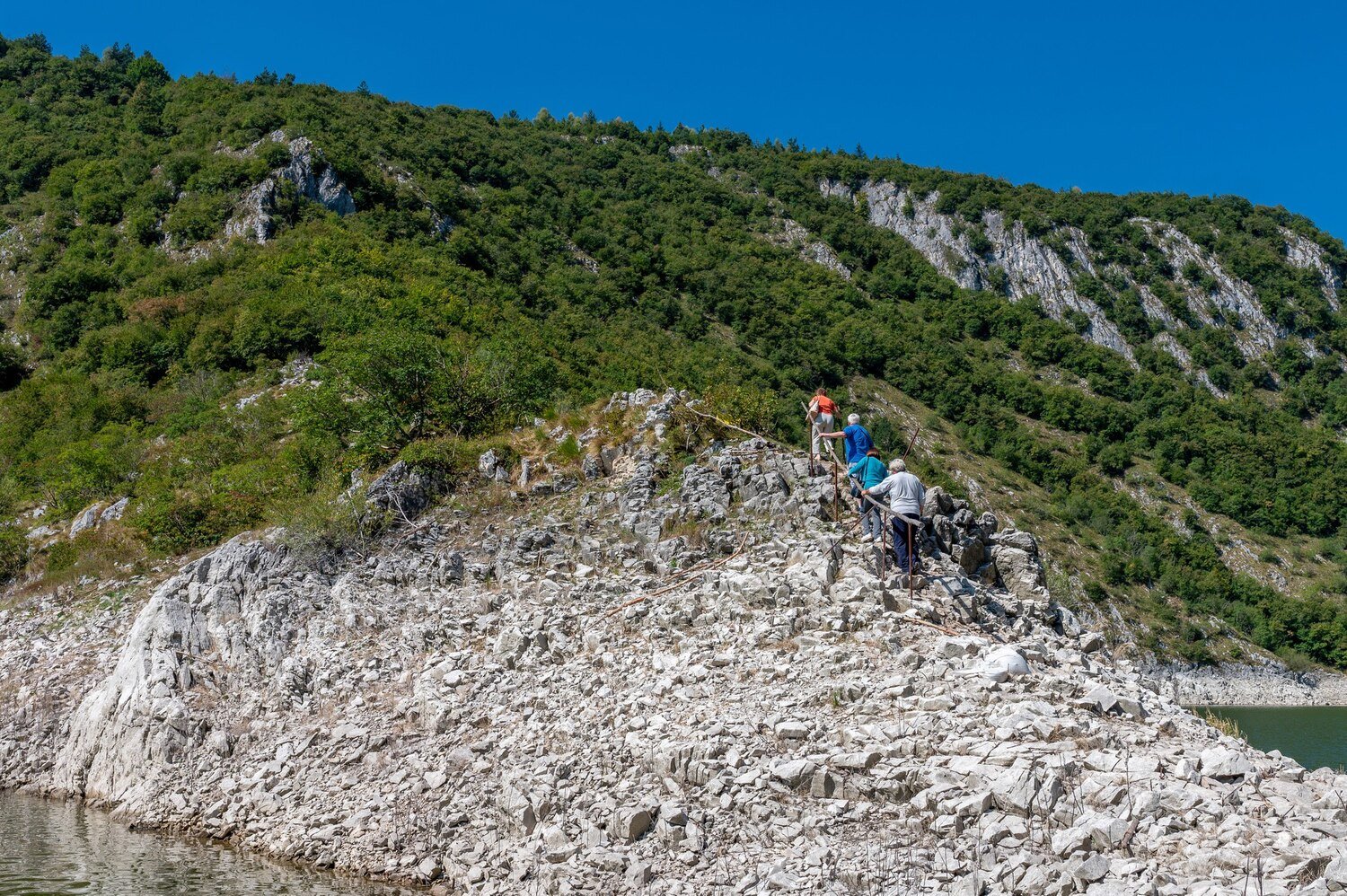
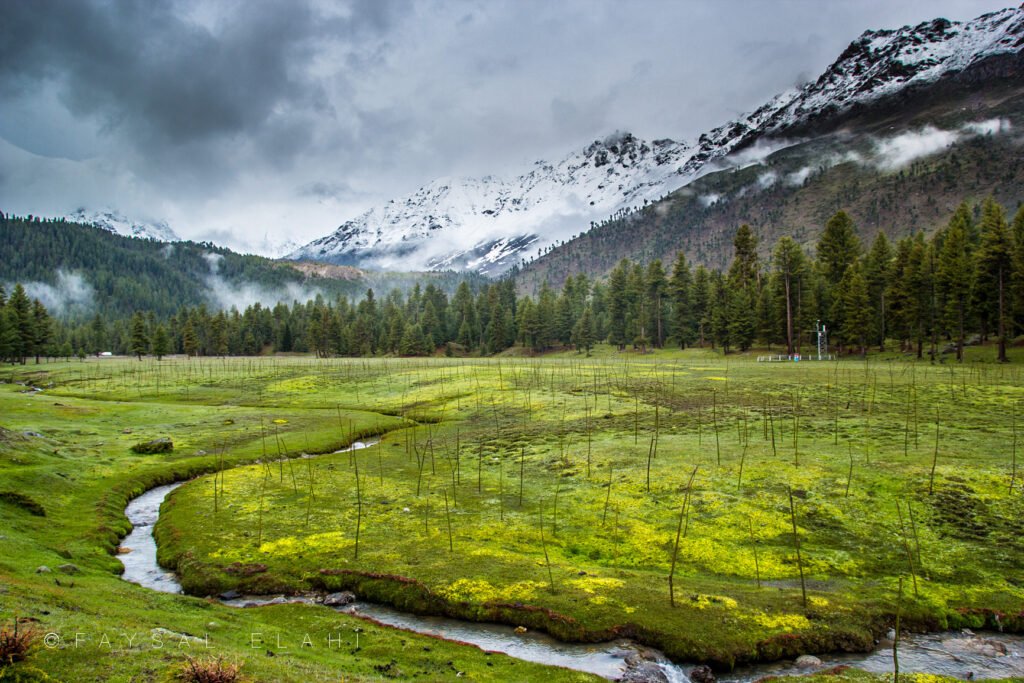
| May–June | Village walks, fort visits and lake stops; longer outdoor days. | Upper roads and trail access do not necessarily open with the lower valley. |
| July–August | A flexible summer base with time outdoors. | Room demand, road disruption and the suitability of any high-altitude excursion. |
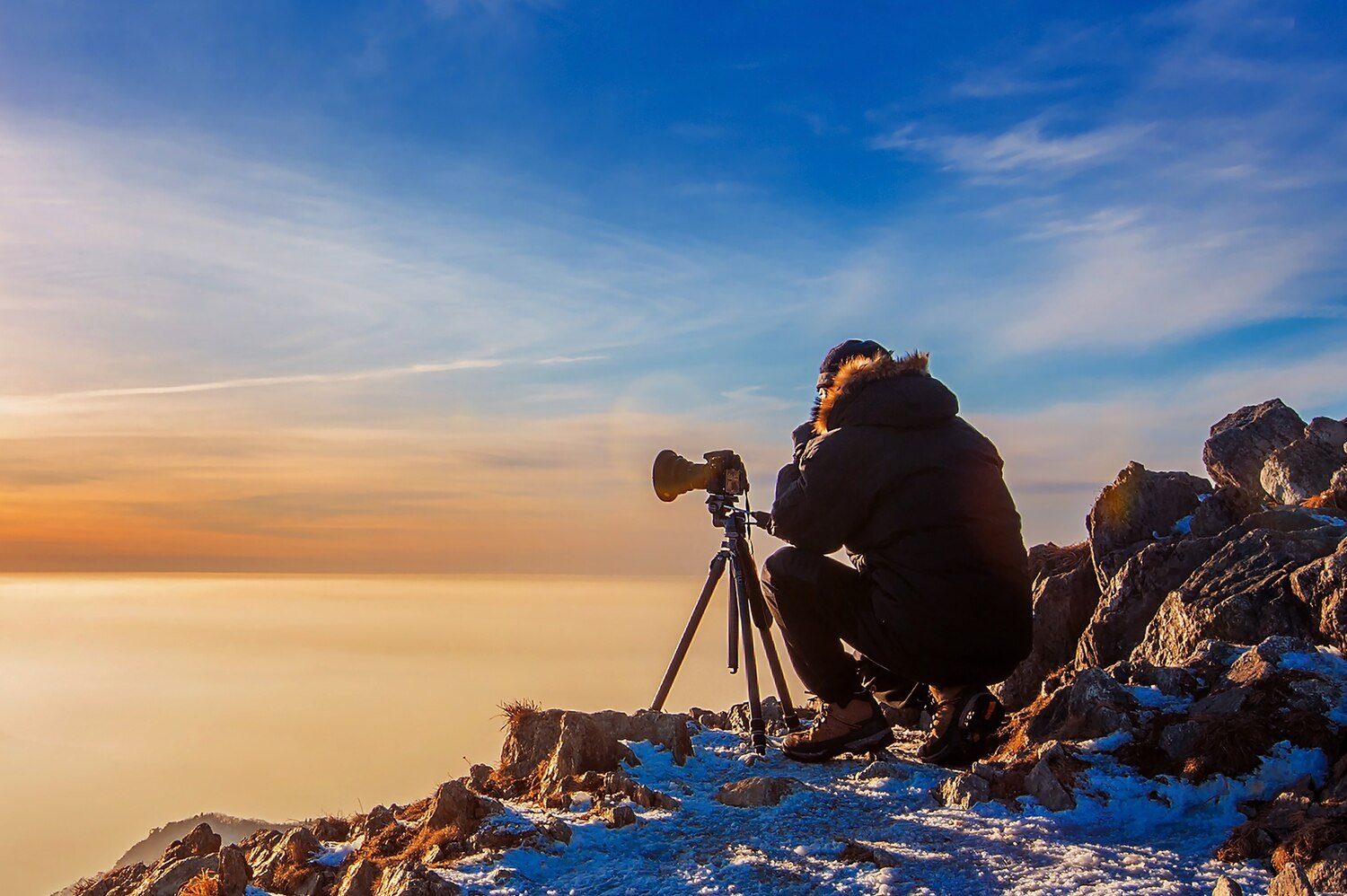
| September–October | Autumn landscapes, photography and village time. | Colour changes at different elevations; nights cool and daylight shortens. |
| November–February | A deliberately quiet winter visit for travellers comfortable with limited services. | Heating, operating hotels, icy roads and transport contingency. |
If your dates are fixed, build a trip around what is realistically open. If they are flexible, choose the season first and keep bookings changeable until your transport plan is clear.
Get your bearings
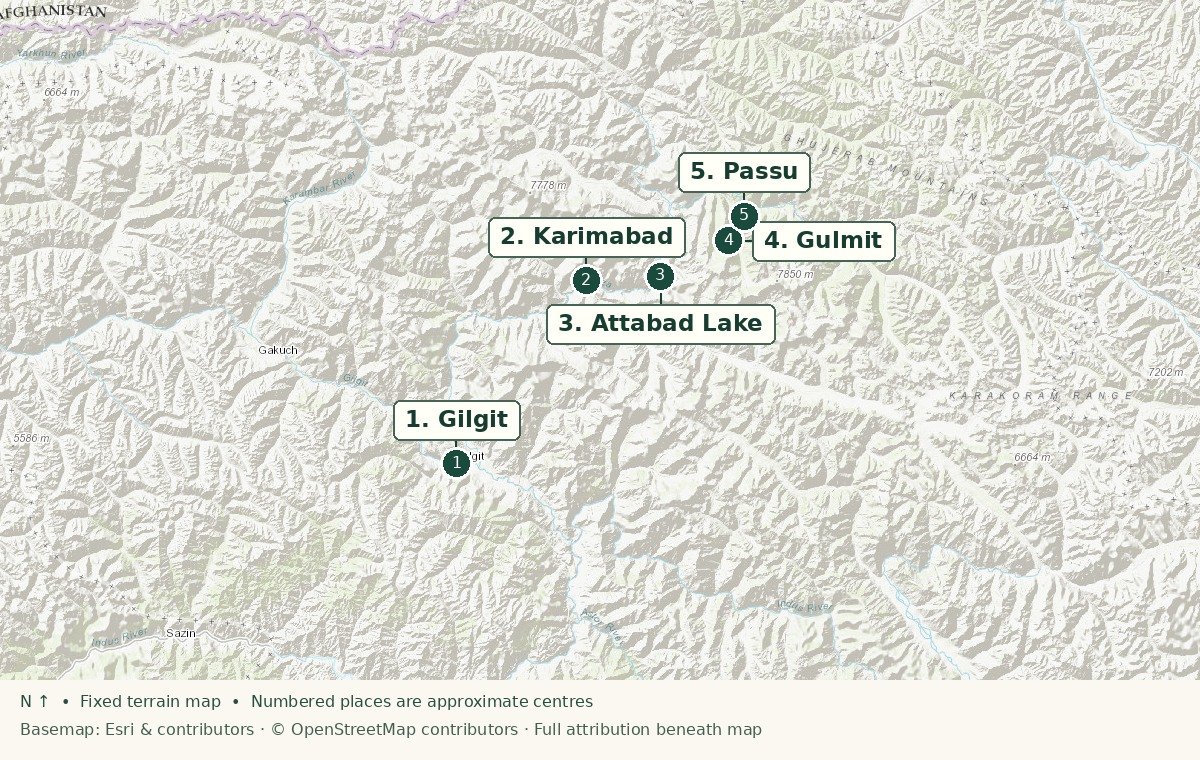
Think in two clusters: central Hunza for villages and forts, and Upper Hunza for lake and Passu scenery. A second base can reduce repeated driving, but changing rooms every night adds friction.
Choose a base, then a pace
| Base | Useful for | Ask before booking |
|---|---|---|
| Karimabad | Fort visits, village time and a central Hunza stay. | Walking access, steep approaches and whether your room has effective heating. |
| Aliabad | A practical transport base for exploring central Hunza. | Traffic noise, collection points and travel time to the sights you care about. |
| Gulmit / Passu area | A quieter Upper Hunza stay and more time around the lake corridor. | Meals, transfers and what is open during your dates. |
For five nights, consider three in central Hunza and two in Upper Hunza. Keep the first afternoon light after arrival. A fort and village day, a lake corridor day, a Passu-area day and one flexible day create a more generous trip than a checklist of distant viewpoints.
Two ways to shape the same five nights
Blossom or autumn: allow repeat visits to a village or viewpoint when light and colour are best. Reserve a morning for local history, then keep an afternoon free for a walk agreed with your host. This makes weather changes easier to absorb.
Summer: use the longer days without filling every one with a long drive. Pair one substantial outing with a quieter day. A high pass or demanding trek is a separate access and fitness decision, not a compulsory extra.
Before you commit to transport
Arrange northern transport before selecting non-refundable rooms. Mountain flights can change at short notice; include a return buffer before an international departure. Ask a licensed operator to explain the exact road alignment, current advisories and alternatives, rather than accepting “via the Karakoram Highway” as sufficient detail.
- Carry warm layers even when valley afternoons feel mild.
- Keep essential medicine, documents and a change of clothes in your day bag.
- Download your bookings and location notes before moving between bases.
- Avoid committing the same day to a mountain flight and an onward international flight.
Fine-tune your dates
Can I guarantee blossom or autumn colour? No. Use a broad seasonal window and recent local reports. A flexible village-based itinerary is more resilient than chasing one exact date.
Is a winter Hunza trip the same journey at a lower price? No. It may need a different hotel, transport plan and set of activities. Check operating services before comparing rates.