Planning a trip to Pakistan often comes with questions about visas, safety, transportation, money, connectivity, accommodation, food, local customs, and the best places to visit. This FAQ guide brings together practical answers to some of the most common questions travelers have before visiting Pakistan.
Whether you are visiting for the first time, planning a solo adventure, traveling with family, or heading into the northern mountains, understanding the basics can help you prepare with greater confidence.
Frequently Asked Questions
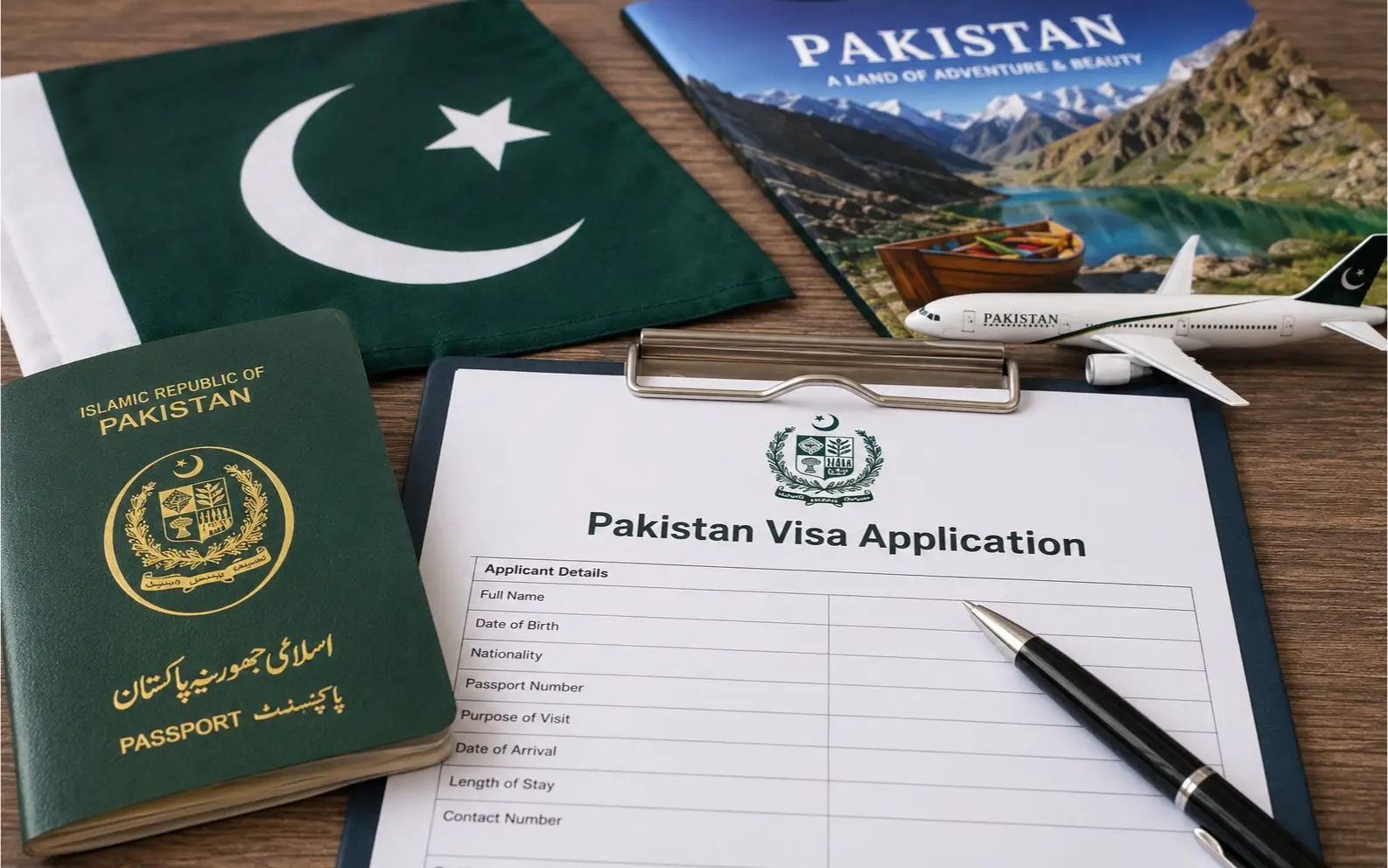
Do I need a visa to visit Pakistan?
Visa requirements depend on your nationality and the purpose of your visit. Check the latest official requirements before making travel arrangements.
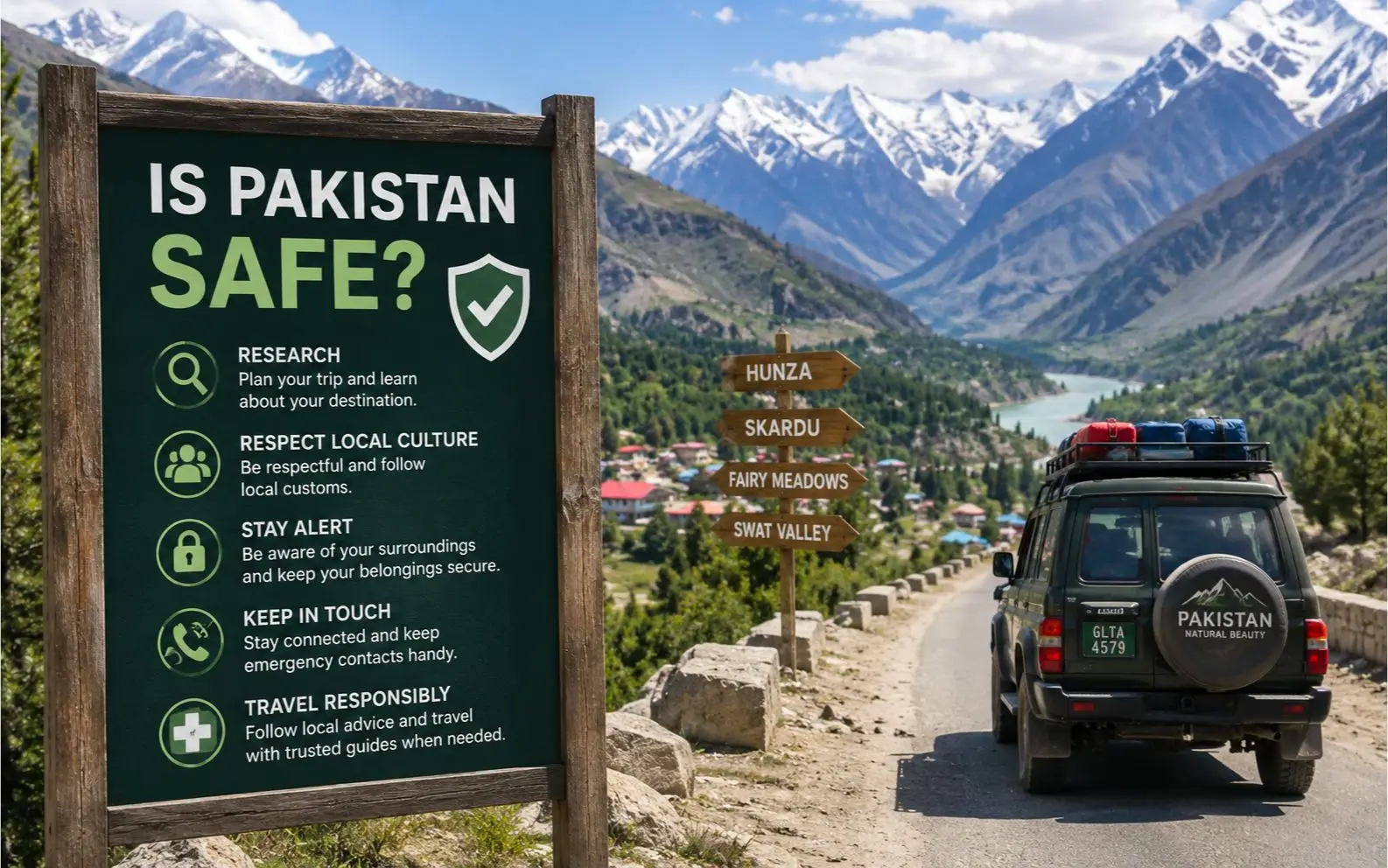
Is Pakistan safe for tourists?
Safety conditions can vary by region. Research your destinations, follow current travel advisories, and use sensible precautions throughout your trip.
What is the best time to visit Pakistan?
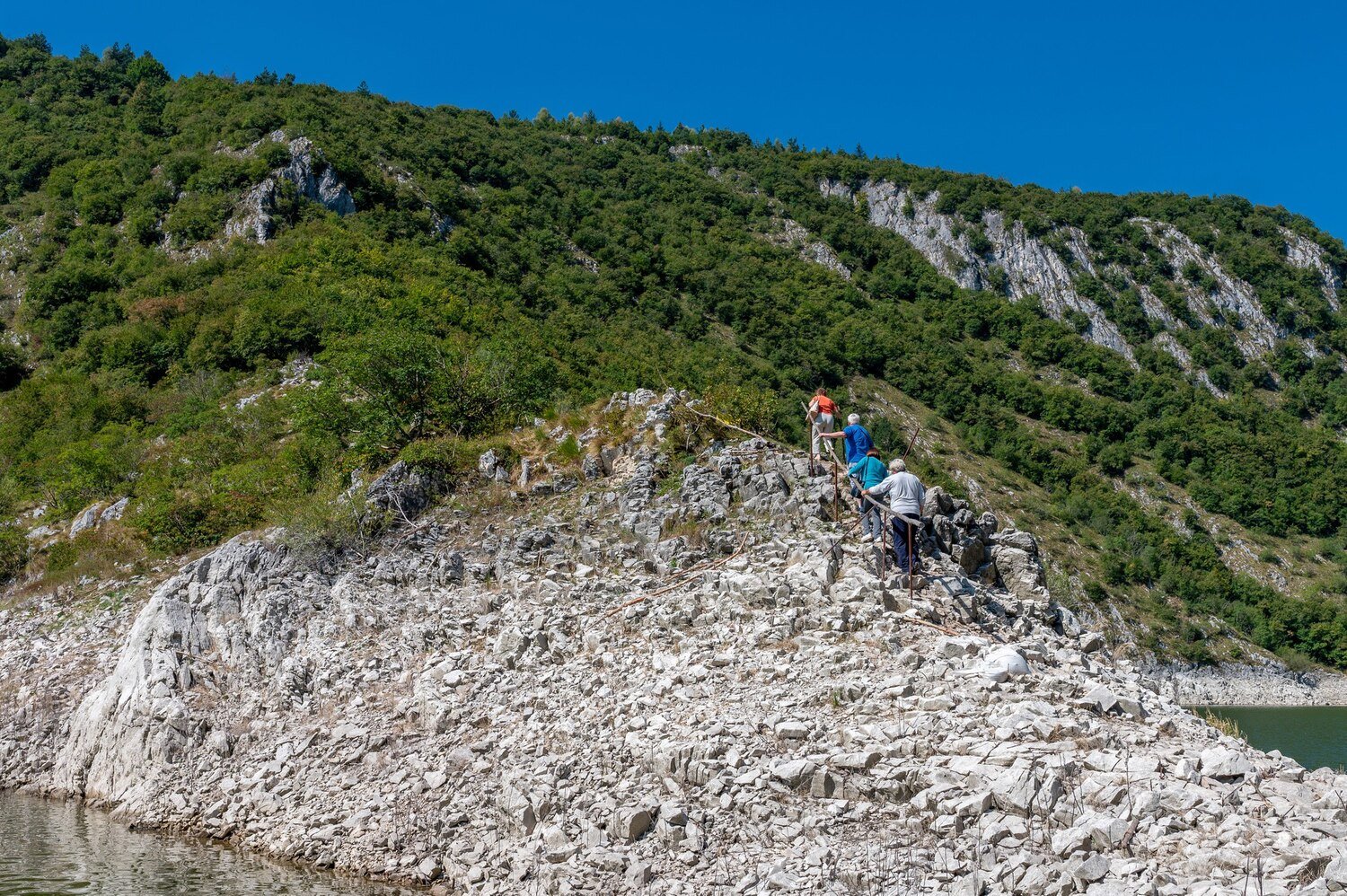
It depends on where you are going. Northern mountain destinations are generally most accessible during the warmer months, while other regions can be visited during different seasons.
What currency is used in Pakistan?
Pakistan uses the Pakistani Rupee (PKR). Carrying some cash is recommended, particularly when visiting smaller towns and remote areas.
Can I use credit cards in Pakistan?
Cards are accepted at many hotels, restaurants, and businesses in major cities, but cash is still important for smaller businesses and remote destinations.
Can tourists buy a local SIM card?
Yes. Local SIM cards are available through authorized providers, subject to the required registration process.
Is English spoken in Pakistan?
English is widely used in business, tourism, government, and education. In tourist areas and major cities, travelers can generally communicate in English.
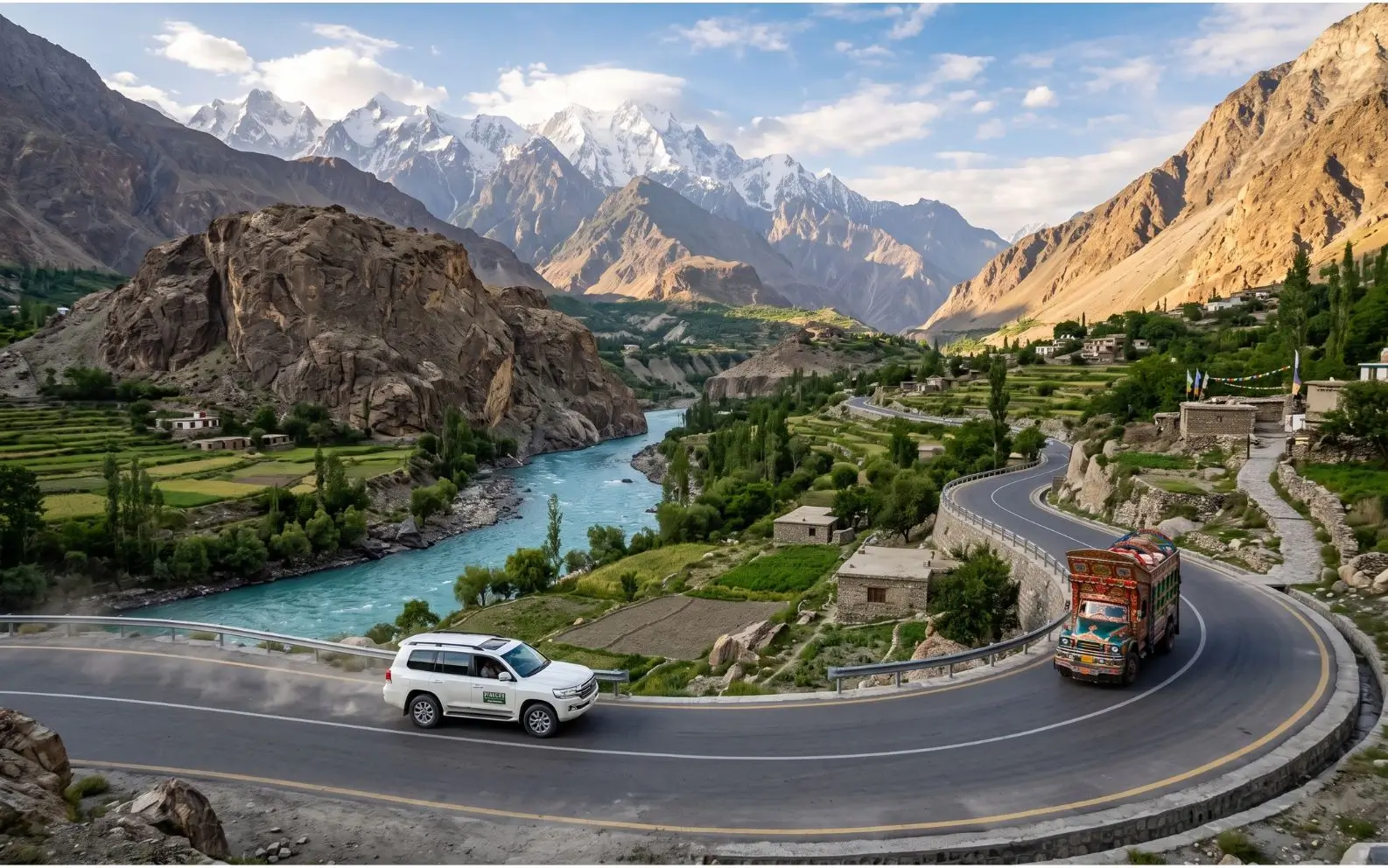
How do I travel around Pakistan?
Domestic flights, trains, buses, private cars, taxis, and local transportation are all available. Your best option depends on your destination and travel plans.
What should I wear in Pakistan?
Comfortable and modest clothing is generally recommended. More conservative clothing is particularly appropriate in rural areas and religious or cultural sites.
Is Pakistani food safe to eat?
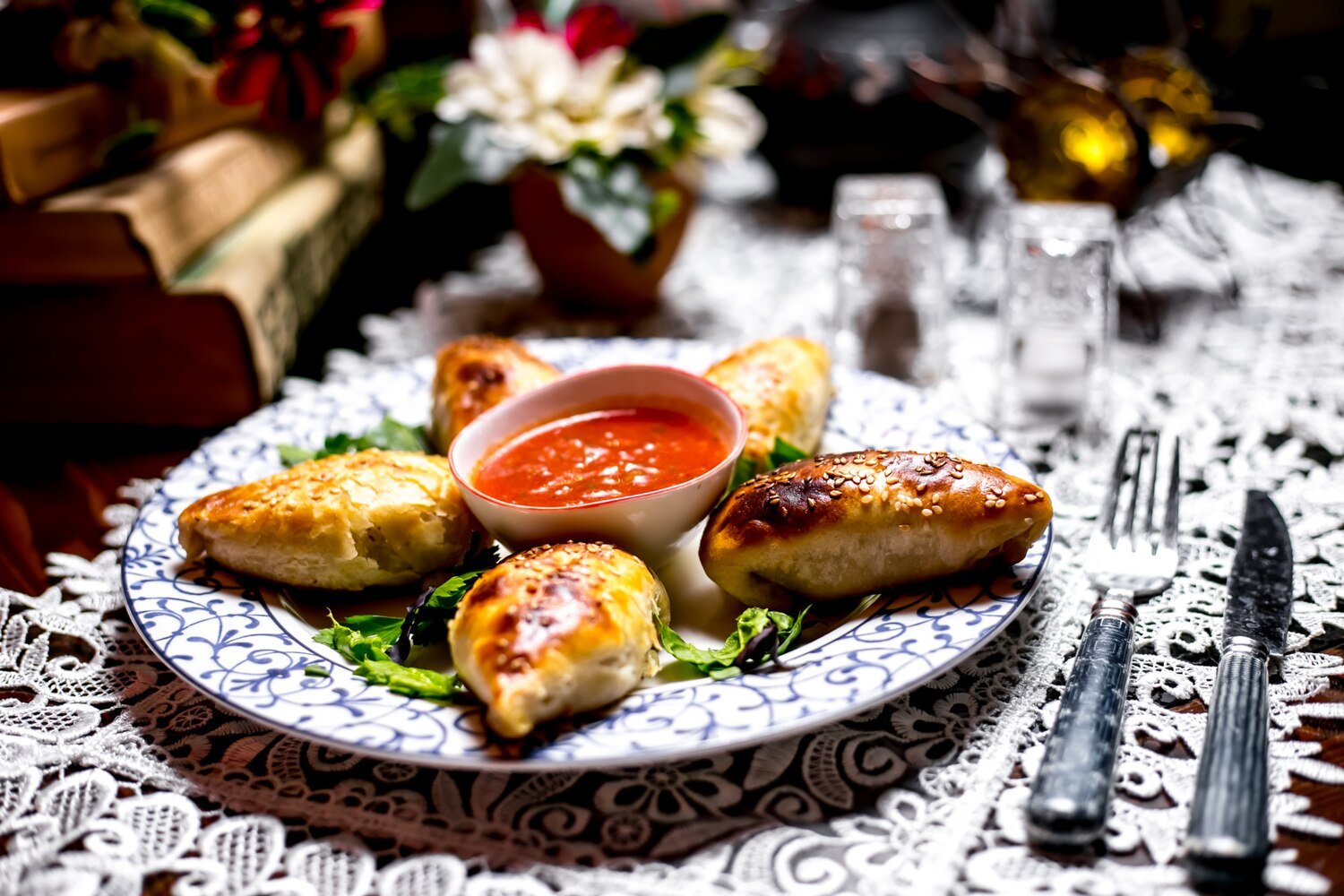
Many travelers enjoy Pakistani cuisine without problems. Choose clean, reputable restaurants and take sensible precautions with food and drinking water.
Do I need travel insurance?
Travel insurance is worth considering, especially for trips involving trekking, remote areas, adventure activities, or longer journeys.
Can women travel independently in Pakistan?
Women can travel independently, but thoughtful planning, awareness of local customs, appropriate clothing, and reliable transportation can make the experience more comfortable.
What should I pack for Pakistan?
Pack according to your destination and season. Essentials may include comfortable clothing, walking shoes, weather-appropriate layers, travel documents, medication, a power bank, and basic travel supplies.
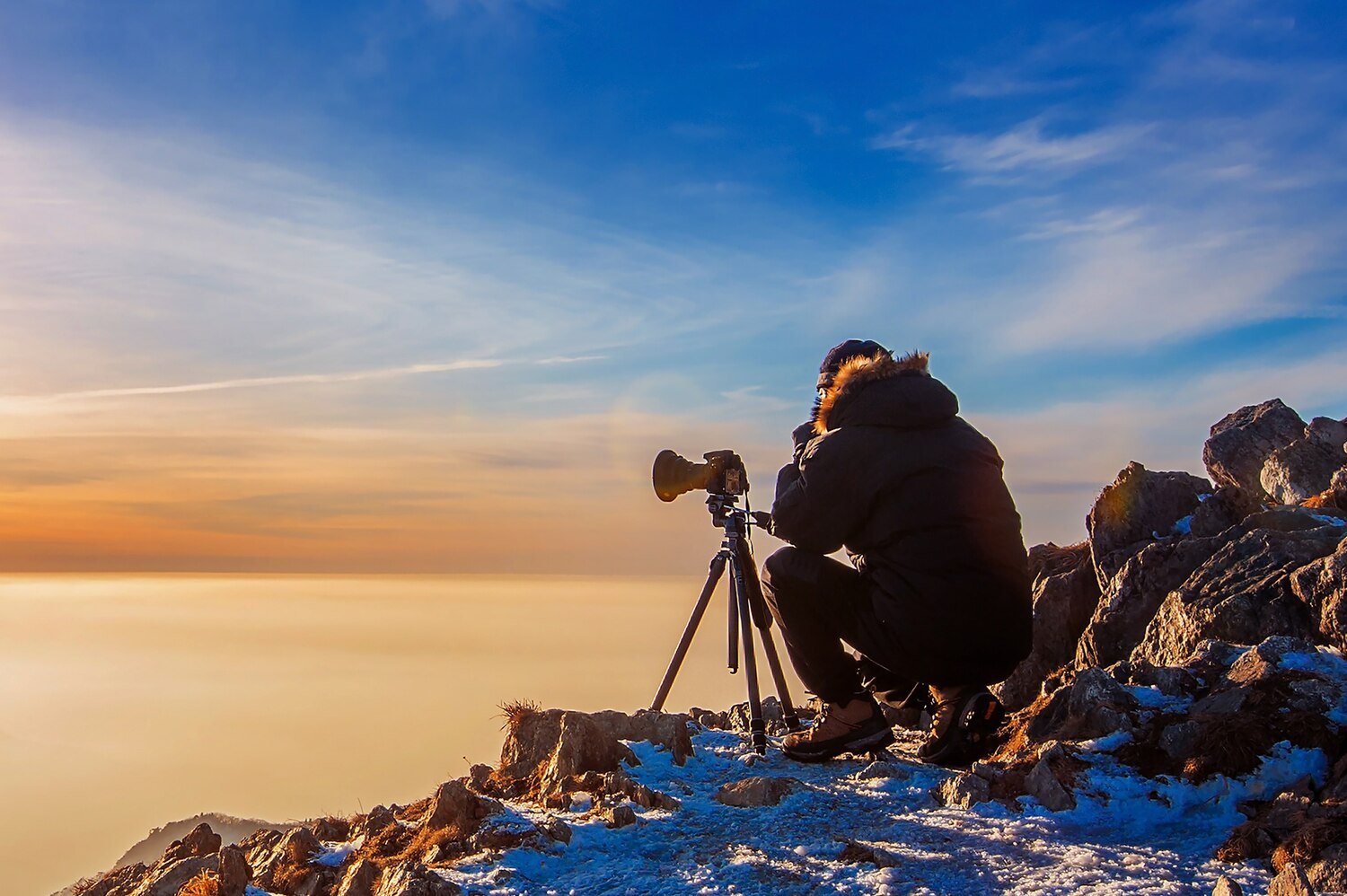
Can I visit northern Pakistan in winter?
Some northern destinations are accessible during winter, but heavy snow can affect roads and transportation. Always check current weather and road conditions before traveling.